

Nonviolent Ways of Communicating
On navigating disagreements with due care, intellect, and a well of empathy


“The misuse of language induces evil in the soul.” — Socrates.
After a failed stint in therapy six years ago, I had given up on the idea. My current therapist came recommended by someone I know. It took a while, but a few months ago, I finally got on the phone to him. His voice like a melatonin-infused silk, sending you to a deep place of calm.
We discussed what I might potentially want out of therapy. As soon as I got off the phone, I knew he was the one. We hit it off straight away. You may be wondering why I talk of my therapist as though he is a romantic partner, but there is a form of partnership between the therapist and client.
I felt we were on the same intellectual wavelength. He adores playing Chess, and I have always wanted to learn. In fact, we are going to play against each other at some point.
I have been to three or four sessions as of the other day, and I believe he has provided me with lots of learning material. I have been listening to podcasts about human behaviour, reading Literature on it, and putting all of that into practice.
The subject of debate often comes up during our sessions. I bring up the point of how a lot of society seems to lack nuance these days. You can only ever be X or Y, and whichever you choose decides your place in their spinning drum of morality.
They don’t seem to realise that you cannot survive with black and white thinking. Plenty of situations often fall in a grey area, but to the pedestrian thinker makes you a terrible person who enables detestable people, not just a person who can acknowledge that many things can be true at once. X and Y can be bad, but they can also be excellent in other ways.
This time, my therapist introduced me to a concept called Nonviolent Communication, developed by American psychologist, Marshall Rosenberg. He tells us that in order to communicate in a nonviolent way, we must remember that other people cannot make us angry. They are simply the stimuli for our own judgements. At this point, we must ask ourselves what we believe that is making us so irate. Once we have discovered that, we can communicate what we feel to the other person and make a request.

The end result, ideally, would be both parties having their needs met. Communicate your needs during a disagreement. Instead of focusing on what you perceive the other person to have done, focus only on what you are feeling. What do you want out of the argument? What is the desired result? Take the other person out of the equation.
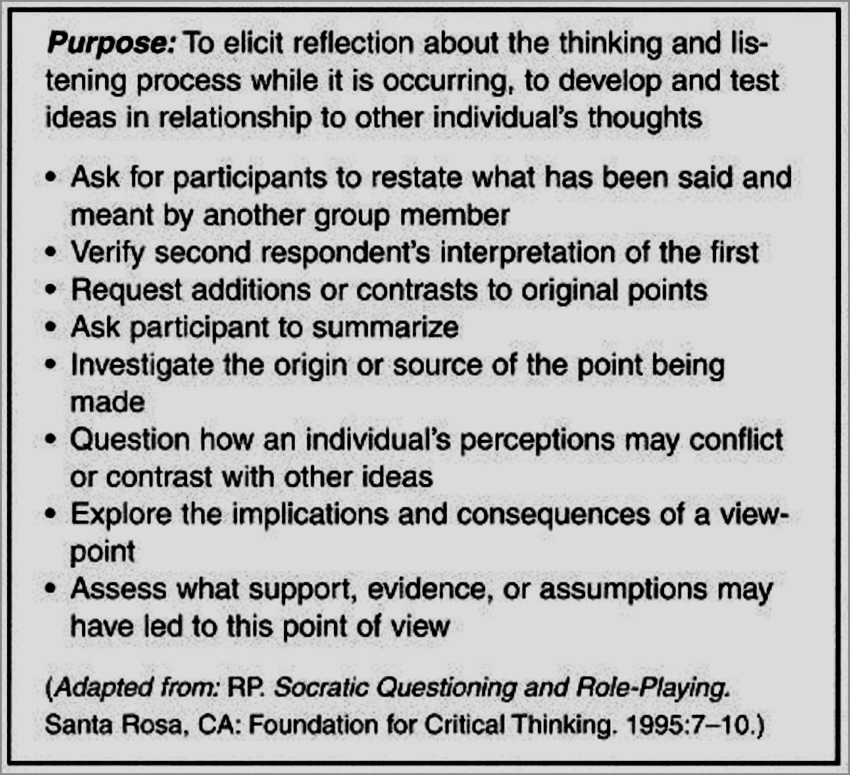
When I think of this particular concept, I am reminded of Socratic Dialogue. There is a cooperation there, which is something we should all attempt if we want to live harmoniously
As of late, I have been met with some unkind aggression that is really a camouflage. There is a deeper issue, but it comes out in a way that is vitriolic. There is name-calling, assumptions, ignorance, and egotism. What if this could be different?
Imagine two people in a pizza shop. They are in a seemingly intense conversation.
Person A: You’re a complete idiot. You’re not listening to what I’m saying!
Person B: You’re so unreasonable! Nothing I say will be good enough for you!
Now let’s imagine this conversation using nonviolent communication.
Person A: I don’t feel understood.
Person B: I feel that what I say isn’t worthy of being heard.
Person A: I wish people took the time to understand what I am saying.
Person B: I never have time for people, so I come off as ignorant and dismissive.
Person A: I would like to be heard going forward.
Person B: I vow to take the time go listen to others needs in the future.
In the first argument example, nothing is solved. There is simply a few cross words, but both parties still leave with frustration and bruised egos. In the second argument, the resolution comes through examining what you are doing. Person A believes they aren’t listened to. That is what they want from Person B. Person B recognises that they can be dismissive of others needs, so they want to change that going forward.
Humans, while for all intents and purposes are generally amiable, can prove themselves victim to a phantom stopwatch. We are not lenient with time, causing further miscommunication and mayhem. So, the next time you find yourself in a disagreement, remember this concept. While the other person may not be open to a nonviolent communicative method, you can certainly free yourself from your own accusations and fury.
Follow me on Twitter: @courtenaywrites
Checking out the book in my Libby app! Thanks for writing.